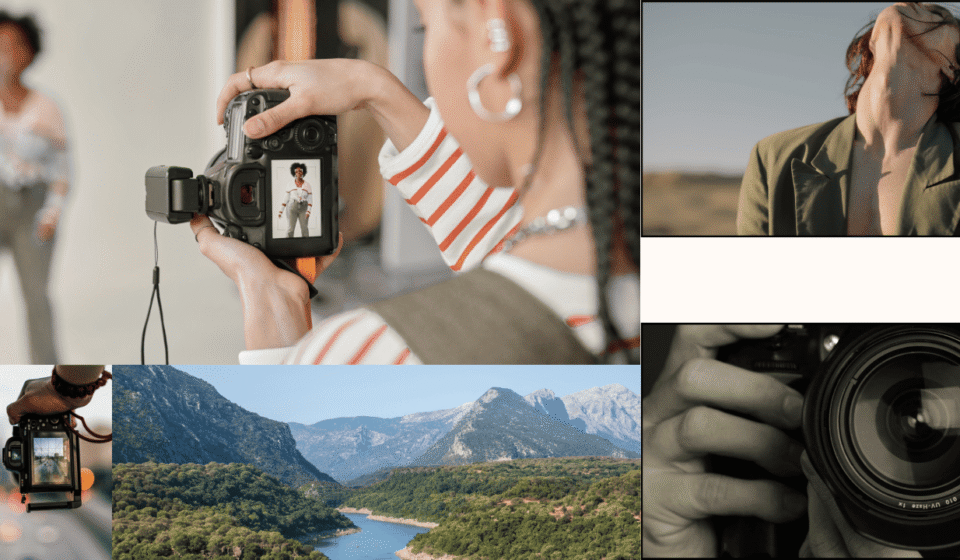

Many photographers struggle to create images that feel natural instead of staged and artificial. Viewers often connect more with photos that show real emotions, meaningful interactions, and everyday experiences. This is why understanding what lifestyle photography is can help photographers capture moments that tell authentic stories. Lifestyle photography focuses on documenting people in natural settings while highlighting their personalities, relationships, and daily routines. Unlike traditional portraits, it does not rely on strict poses or forced expressions. Instead, it captures genuine reactions and small details that make each moment memorable. Whether you are photographing families, brands, couples, or personal projects, this style helps create images that feel relatable and emotional. It allows photographers to blend creativity with real-life situations to produce visually engaging results.
What Is Lifestyle Photography and How Does It Work?
So, what is lifestyle photography when you look beyond posed portraits? It’s a photography style that captures people during natural activities and familiar settings. The photographer guides the scene without controlling every movement. Good lifestyle photography still requires planning. Photographers choose suitable locations, lighting, timing, and activities before shooting. They then watch carefully for authentic expressions and meaningful interactions. For example, a family session might happen in their own home. Parents could prepare breakfast while children play nearby. The photographer captures laughter, movement, and small emotional moments.
Key Elements That Make Lifestyle Photography Unique
Several elements separate this style from traditional portrait photography. The photographer focuses on storytelling rather than perfect poses.
Natural Interaction: People interact with each other instead of staring at the camera. This creates more believable and emotional photographs.
Real Locations: Homes, parks, cafes, and workplaces can provide meaningful backgrounds. Familiar places also help subjects feel more relaxed.
Genuine Emotion: Photographers watch for laughter, curiosity, affection, and quiet moments. These reactions often become the strongest images.
Environmental Details: Objects and surroundings can add context to each photograph. A child’s favorite toy can reveal something about their personality.
Gentle Direction: Experienced photographers still guide their subjects when necessary. They suggest activities rather than demanding exact poses.
Why Lifestyle Photography Is Important for Modern Storytelling
Strong photographs often make viewers feel something immediately. Lifestyle images achieve this by connecting visual moments with familiar experiences. Brands also use this approach to make their content feel more relatable. A business can show products within realistic situations instead of using sterile product shots. This helps customers understand how the product fits into everyday life. From experience, the best lifestyle sessions rarely follow a rigid script. A loose plan gives people room to behave naturally. The photographer’s job becomes noticing meaningful moments before they disappear.
How Lifestyle Photography Differs from Traditional Portrait Photography?
Traditional portrait photography often focuses on controlled poses, specific backgrounds, and planned expressions. Lifestyle photography takes a more relaxed approach. Portrait sessions usually highlight appearance, while lifestyle sessions highlight experiences and relationships. A portrait may show how someone looks, but a lifestyle image often shows who they are. For example, a business portrait might show a professional in an office. A lifestyle brand photo might show that person working, interacting, and expressing their passion.
Essential Tips for Capturing Authentic Lifestyle Photos
Creating natural images requires more than technical camera skills. Photographers need patience and strong communication.
Some practical tips include:
- Make subjects feel comfortable before shooting.
- Give simple directions instead of strict poses.
- Capture moments before and after planned actions.
- Use familiar locations where people feel relaxed.
Popular Types of Lifestyle Photography to Explore
Lifestyle photography works across different fields and audiences. Each type tells a unique story.
Common styles include:
- Family lifestyle photography showing daily connections.
- Couple photography focusing on emotions and relationships.
- Brand lifestyle photography presenting products through real experiences.
- Travel lifestyle photography capturing adventures and cultures.
Conclusion
Lifestyle photography has become an important way to capture real emotions, personal connections, and meaningful experiences. Instead of focusing only on perfect poses or carefully arranged scenes, it allows photographers to tell honest stories through natural moments. Learning what lifestyle photography is helps photographers understand how to create images that feel authentic, relatable, and emotionally powerful. By using natural light, comfortable environments, and genuine interactions, photographers can capture memories that reflect real personalities and relationships. This style requires more than technical skills because patience, observation, and communication play a major role in achieving beautiful results.