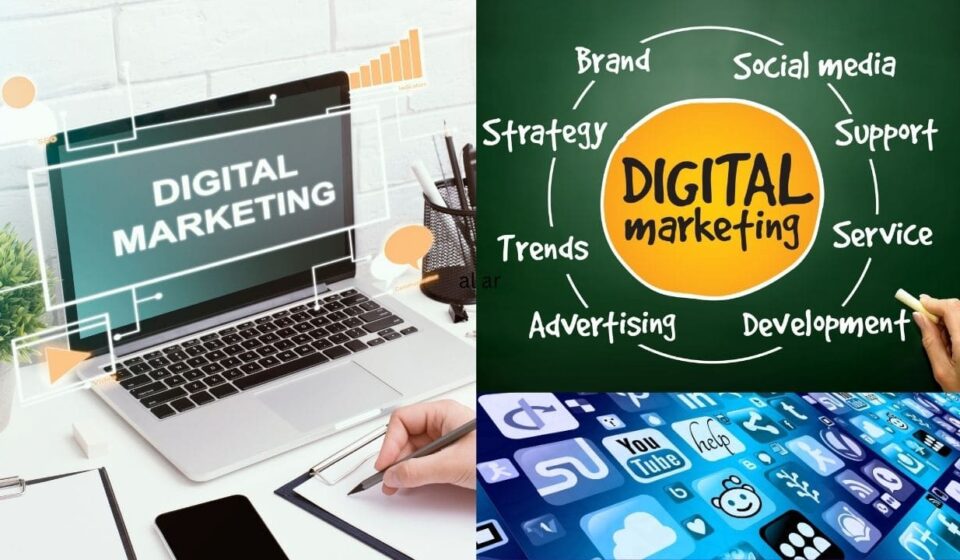

Digital marketers now face a crowded landscape where customer expectations change quickly. AI-powered search, automation, social commerce, and privacy changes are reshaping how brands reach audiences. Customers also move between search engines, social platforms, websites, apps, and marketplaces before buying. This makes choosing the right channels more important than simply increasing online visibility. The digital marketing landscape now requires connected strategies, useful content, accurate audience insights, and measurable results. Businesses must understand changing customer behavior while adapting their marketing without losing brand consistency. A strong approach combines organic search, paid campaigns, social engagement, email, content, and emerging technologies.
What Is the Digital Marketing Landscape and Why Does It Matter?
Marketers now manage more channels, customer touchpoints, and data than ever before. The digital marketing landscape connects search, social media, websites, email, advertising, video, and commerce. Each channel serves a different purpose in the customer journey. A strong strategy connects these channels instead of treating them as separate activities.
For example, SEO can attract people researching a problem. Social media can build familiarity with the brand. Email can nurture interested prospects until they’re ready to buy. This connected approach also makes measurement easier because marketers can track traffic, engagement, leads, and conversions across campaigns.
Key Channels Shaping the Digital Marketing Landscape
No single channel works equally well for every business. The right mix depends on the audience, buying journey, budget, and business goals. SEO and content marketing help brands earn visibility through useful information. Social media creates opportunities for conversation, community building, and targeted advertising. Email supports retention through segmentation and personalized communication. Paid media adds another layer by providing faster reach. Search ads, display campaigns, social advertising, and programmatic buying can place offers in front of specific audiences. Video and streaming platforms also create opportunities for brands to combine storytelling with targeted reach.
How Consumer Behavior Is Changing Digital Marketing?
Customers rarely follow a simple path from advertisement to purchase. They may discover a brand through short-form video, search for reviews, visit a website, and compare alternatives before deciding. This behavior makes consistency especially important. Your message should feel connected across platforms, even when the content format changes.
Marketers should therefore focus on:
- Understanding audience needs at different buying stages
- Creating platform-specific content
- Removing unnecessary steps between discovery and purchase
- Measuring actions rather than vanity metrics alone
The Role of AI, Automation, and Emerging Technologies
AI is changing how marketers research audiences, produce content, analyze campaigns, and automate repetitive work. It can help teams identify patterns in customer behavior and create faster testing cycles.
Automation also supports email sequences, lead management, audience segmentation, and campaign reporting. However, technology shouldn’t replace human judgment. Marketers still need to check accuracy, brand voice, originality, and customer relevance. The strongest workflow usually combines automation with human review. This approach improves efficiency without making marketing feel generic.
How Privacy and First-Party Data Are Reshaping Marketing?
Privacy changes have made customer data management a central marketing concern. Businesses increasingly need stronger relationships with customers instead of depending heavily on third-party tracking.
First-party data can come from website interactions, purchases, subscriptions, surveys, and voluntary sign-ups. Businesses can use this information to understand customer needs while building more direct relationships. Clear consent and responsible data handling also strengthen customer trust. As tracking becomes more restricted, brands that provide genuine value have a stronger reason to earn direct customer engagement.
Building a Digital Marketing Strategy Across Multiple Channels
Managing several marketing channels doesn’t mean publishing everywhere. It means connecting each channel around the same customer journey and business goal. The strongest strategies combine SEO, content, social media, email, paid media, and video. Each channel should have a clear role instead of competing for attention.
Start by identifying your audience, buying journey, and most valuable customer actions. Then match channels to those behaviors. For example, SEO can capture research-driven demand, while email can nurture interested prospects. Social media can build familiarity, and paid campaigns can accelerate high-intent opportunities.
Your content should also move naturally between channels. One detailed article can become short videos, social posts, emails, and useful sales material. This approach reduces production pressure while keeping your brand message consistent. Google’s current guidance also emphasizes unique, helpful content as search increasingly includes AI experiences.
How to Measure Performance and Adapt to the Changing Digital Marketing Landscape?
Good marketing decisions start with measurement, but traffic alone doesn’t tell the whole story. Track actions that directly support your business, such as qualified leads, purchases, sign-ups, or bookings.
Use these measurements to understand what happens before a customer converts. Attribution reports can show how search, social, email, and advertising contribute across the customer journey.
A practical measurement system should review:
- Acquisition: Where are qualified visitors coming from?
- Engagement: Do visitors consume content or leave quickly?
- Conversion: Which actions create leads or revenue?
- Efficiency: Which channels produce useful results for their cost?
Conclusion
Digital marketing continues to evolve as technology, customer expectations, privacy standards, and online platforms change. Businesses can no longer depend on one channel or measure success through traffic and impressions alone. A sustainable approach connects SEO, content marketing, social media, email, paid advertising, video, and emerging technologies around clear customer journeys and business goals. AI and automation can improve efficiency, but human oversight remains essential for accuracy, originality, trust, and brand consistency. At the same time, first-party data and responsible privacy practices are becoming increasingly valuable as tracking becomes more limited.