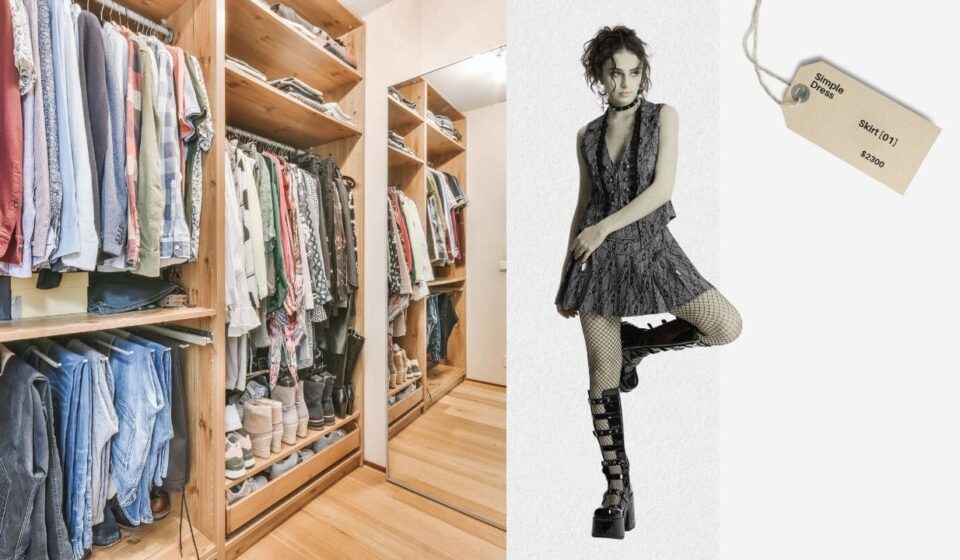

Starting a new job, attending an important meeting, or preparing for an interview can make choosing an outfit difficult. You may have a closet full of professional clothes but still wonder what looks appropriate. Understanding what is business formal can help you avoid feeling overdressed or too casual. This dress style creates a polished and confident appearance in professional settings. It usually includes well-fitted suits, dress shirts, formal trousers, tailored dresses, and professional shoes. However, the right outfit can vary depending on the workplace, industry, and event. Small details also matter, including colors, accessories, grooming, and clothing fit.
What Is Business Formal and When Is It Appropriate?
Business formal is a professional dress code designed for formal workplace environments. It creates a polished, organized, and respectful appearance. This style is more traditional than business casual clothing. Business formal attire is commonly expected at important professional events. These may include job interviews, executive meetings, conferences, presentations, and corporate ceremonies. Some law firms, financial companies, and other traditional workplaces may also require it regularly. The exact expectations can differ between companies and industries. Therefore, always consider the organization’s dress policy before choosing an outfit. When uncertain, dressing slightly more formally is usually safer than appearing too casual. A good business formal outfit should look clean, structured, and well-fitted. It should also allow you to feel comfortable and confident throughout the day.
Essential Clothing for Business Formal Attire
The foundation of business formal clothing is professional, tailored clothing. Each piece should complement the overall appearance rather than attract unnecessary attention.
For men, a traditional business formal outfit often includes a dark suit, dress shirt, formal trousers, and dress shoes. A conservative tie may also be appropriate for more formal workplaces.
For women, suitable options can include a tailored suit, formal trousers with a professional blouse, or a structured dress with an appropriate jacket. Skirt suits can also work well in traditional business environments.
Fit is one of the most important factors. Clothing should not be extremely tight or excessively loose. Clean lines and proper tailoring can make even a simple outfit appear more professional. Choose high-quality fabrics when possible. Wool, cotton blends, and other structured materials can provide a polished appearance. Avoid clothing that looks heavily wrinkled, worn, or overly casual.
Business Formal Options for Men and Women
Men generally have several reliable choices when following a business formal dress code. A navy, charcoal, or black suit is a versatile starting point. Pair it with a crisp white or light-colored dress shirt. A conservative tie can complete the outfit when the setting requires additional formality. Leather dress shoes, matching socks, and a simple belt help create a coordinated appearance. Women can choose between several professional combinations. A tailored pantsuit offers a modern and structured appearance. A skirt suit provides a more traditional option.
A professional dress can also work when it has an appropriate length, fit, and neckline. Adding a tailored blazer can make the outfit more formal. Accessories should remain simple and professional. Minimal jewelry, a structured handbag, and a classic watch can complement the outfit without becoming distracting. Regardless of gender, the goal is to maintain a balanced and professional appearance. Clothing should support your presence rather than become the main focus.
How to Choose Colors, Shoes, and Accessories?
Color selection plays an important role in professional dressing. Neutral shades are generally the safest choices for business formal environments. Navy, charcoal, black, gray, white, and muted blue can create a sophisticated appearance. Subtle patterns may also work when they are not overly bold. Shoes should be clean, polished, and suitable for formal workplace settings. Men can choose classic leather dress shoes, while women may select formal flats or moderate-height heels. Neutral colors usually provide the greatest flexibility. Accessories should complement your clothing instead of competing with it. A simple watch, modest jewelry, professional bag, or understated belt can complete the outfit.
Common Business Formal Mistakes to Avoid
Understanding what is business formal also means knowing what can make an outfit look inappropriate. Even expensive clothing can appear unprofessional when basic details are overlooked.
One common mistake is wearing clothing that does not fit properly. Oversized jackets, extremely tight trousers, or poorly fitted shirts can reduce the polished appearance.
Another mistake is choosing overly bright colors or attention-grabbing patterns. These choices may not suit traditional corporate environments. Avoid casual footwear such as sneakers, flip-flops, or heavily worn shoes. Casual jeans, graphic T-shirts, hoodies, and athletic clothing should also be avoided when formal attire is required. Wrinkled clothing is another simple but noticeable problem. Take time to iron or steam your clothes before important meetings.
How to Build a Professional Business Formal Look?
Creating a professional outfit becomes easier when you start with a few reliable basics. Choose one well-fitted suit or formal outfit in a versatile neutral color. Then build additional pieces around it. For example, a navy or charcoal suit can work with several dress shirts and professional accessories. This gives you multiple outfit combinations without needing a large wardrobe.
Before an important event, check the organization’s dress expectations. Consider the industry, workplace culture, event type, and seniority of the people attending. Next, make sure every item is clean, pressed, and properly fitted. Check your shoes, accessories, grooming, and overall color combination before leaving.
Conclusion
Comfort also matters. You may need to sit through long meetings, presentations, or interviews. Choose professional clothing that allows natural movement without sacrificing appearance. The best business formal look is polished, simple, and appropriate for the situation. When your clothing fits well and matches the environment, you can focus more confidently on your work. Ultimately, business formal dressing is about presenting yourself with professionalism and confidence. You do not need an expensive wardrobe to achieve this look. A few quality essentials, careful color choices, proper grooming, and attention to fit can make a strong impression. Read More